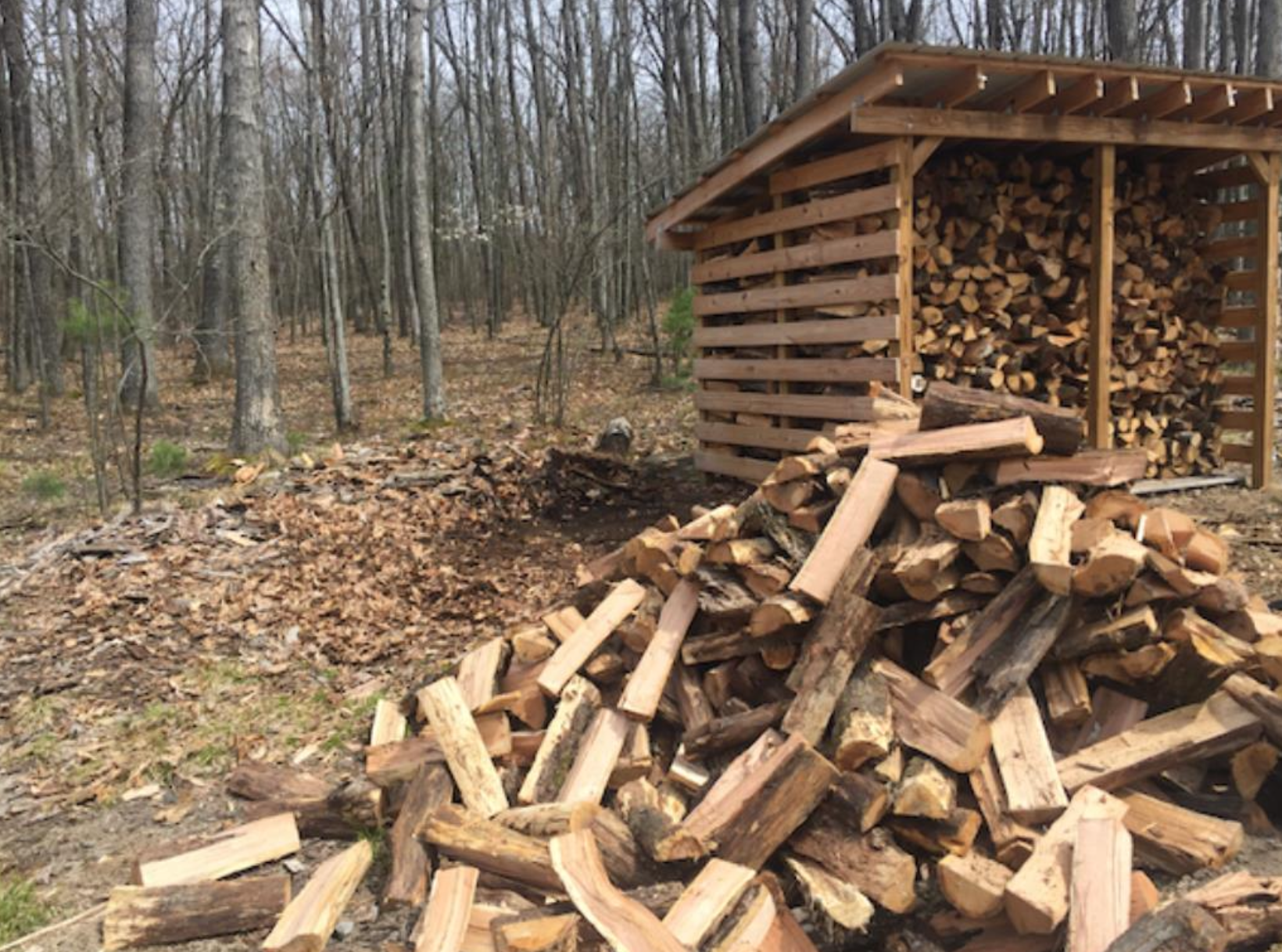
Woodpile Analogy
By Janna Pearman Jacobs
Why is the woodpile analogy a powerful and critical concept? Because to pivot, change, or scale, an organization must acknowledge its “woodpile”. We know systems grow and naturally become more complex. The greatest obstacle to a system advancing or scaling eventually becomes itself.
The visual representation of this analogy is powerful. Just like a pile of wood can become overwhelming if you throw wood on the pile, unorganized, or accumulate wood endlessly. And moving a woodpile requires effort: systematic cutting, stacking, and stopping to add to the pile.
Acknowledging the “woodpile” is a strategy for handling complexity, technical debt, or years of accumulated growth. The first iteration is easy. But as organizations grow, they have to take what they already have and make it do more, make it do it differently, and make it do it better. It’s the elephant in the room; it can’t be ignored.
What to do:
Identify your woodpile and put boundaries around it. Stop investing in growing it if it’s not the future.
Analyze your woodpile to generate metadata for decisions on change impact and risk management.
Set a strategy for managing your woodpile in alignment with your future state. Does your woodpile evolve, move, or chip away over time?
Avoid trying to optimize several things. You have to work hard to get your organization around a single, clear strategic goal.
Don’t “throw good money after bad” or stay on a course of action far longer than helpful.
Be ready to make uncomfortable, sometimes unpopular, decisions. You’re letting go of something that was acceptable before but no longer is.
Know you are not alone in dealing with this situation. If you need help building a strategy to address your organization’s “woodpile”. This is the work we do. Visit RKCMANAGEMENTCONSULTING.COM to schedule an appointment.